
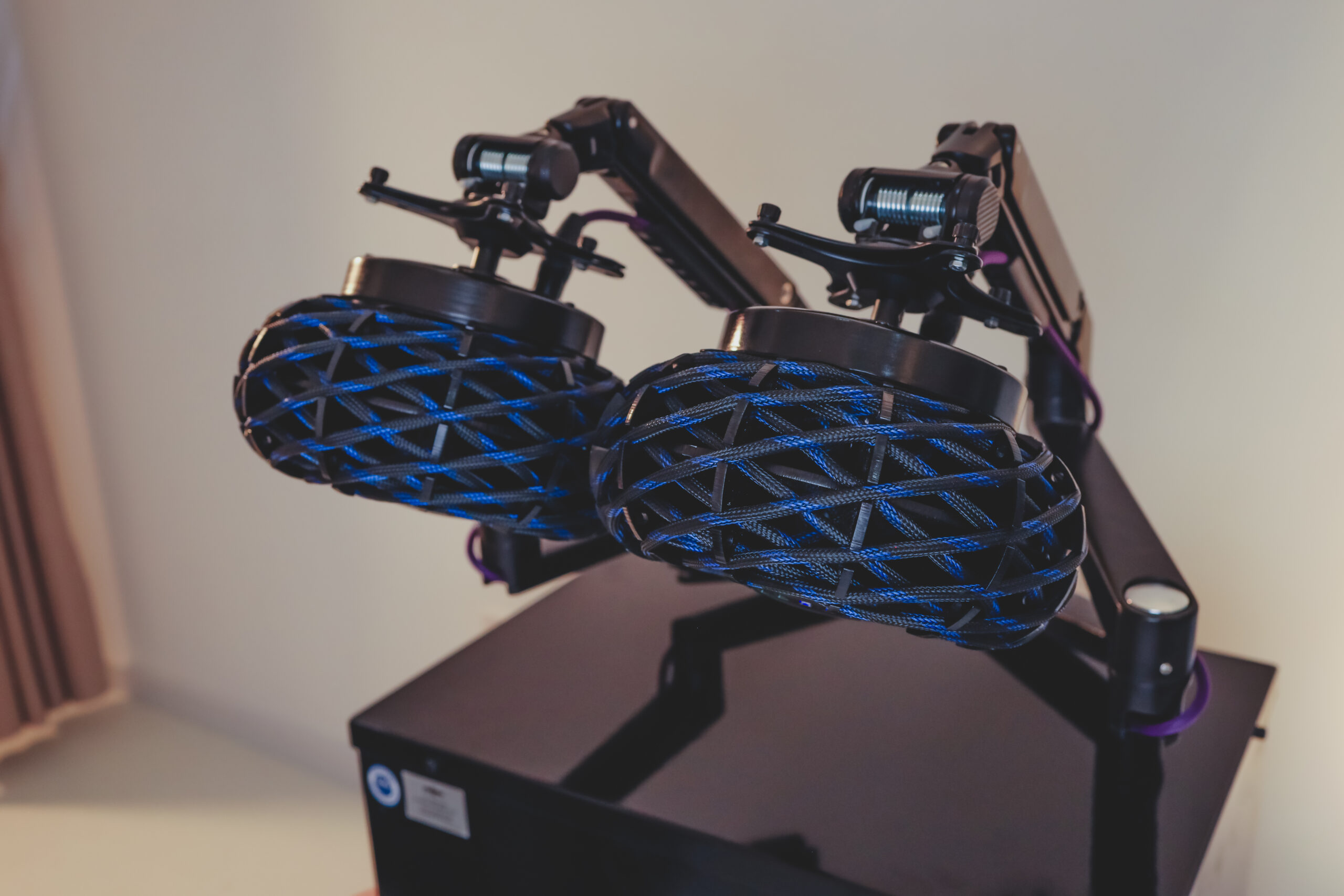
PULSED ELECTROMAGNETIC FIELD (PEMF) THERAPY IN ARTHRITIS: DECODING THE MOLECULAR MECHANISMS AND CLINICAL EVIDENCE.
Arthritis and chronic inflammatory conditions are leading causes of pain, impaired mobility and reduced quality of life worldwide. Amid the growing demand for non-invasive treatment methods with few side effects, Pulsed Electromagnetic Field (PEMF) therapy is emerging as a potential solution attracting particular scientific interest.
An important study from the Institute of Anatomy, Faculty of Medicine – Dresden University of Technology (TU-Dresden), Germany, has provided a comprehensive view of both the clinical effectiveness and the underlying molecular mechanisms of PEMF in the treatment of arthritis.
Clinical Data: Real-World Effectiveness in Patients
Clinical studies show that arthritis patients treated with PEMF reported:
- Significant pain reduction
- Improved joint stiffness
- Increased mobility
- Improved daily functional activity scores
Particularly important is that PEMF becomes a useful adjunctive option for patients who:
- Cannot tolerate anti-rheumatic drugs
- Wish to reduce their dependence on painkillers
- Are seeking a non-invasive method
In addition to arthritis, PEMF has also been noted to be beneficial in neurological conditions and chronic musculoskeletal disorders.
THE MECHANISM OF ACTION OF PEMF IS EXPLAINED AT THE CELLULAR AND MOLECULAR LEVEL.
Experimental In Vivo and In Vitro Data
Experimental studies show that PEMF can:
- Increase the activity of bone-forming cells (osteoblasts)
- Regulate the activity of bone-resorbing cells (osteoclasts)
- Improve bone density
- Protect joint cartilage (chondroprotective effect)
- Promote blood vessel formation (angiogenesis)
In addition, PEMF also:
- Regulates gene expression
- Accelerates cell division
- Reduces cell damage caused by inflammation
This explains why this therapy can support the recovery of joint tissue structure rather than merely relieving symptoms.
Endogenous Electromagnetic Fields and Biological Responses
The human body inherently contains endogenous electromagnetic fields (EMF) arising from:
- The nervous system
- The musculoskeletal system
- Connective tissue
Biological phenomena such as:
- Piezoelectricity
- Ion channel activity
- Differences in cell membrane potential
play an important role in explaining the cellular response to PEMF.
Effects on Ion Channels and Signaling Molecules
PEMF can:
- Regulate ion flow across the cell membrane
- Influence intracellular signaling
- Stimulate the production of nitric oxide (NO)
- Create a preconditioning response
One notable point is that the controlled stimulation of reactive oxygen species (ROS) at physiological levels can help cells increase their ability to adapt and survive in a chronic inflammatory environment.
PEMF NOT ONLY RELIEVES PAIN BUT ALSO ACTS ON THE BIOLOGICAL FOUNDATION OF ARTHRITIS.
Clinical Significance and Future Potential
Taken together, the data show that:
- PEMF has clear clinical effectiveness
- It has a sound molecular mechanism
- It acts on multiple biological levels
- It has high safety
However, to confirm this more strongly, larger-scale studies and long-term follow-up are still needed.
Conclusion
PEMF THERAPY IS OPENING UP A NEW APPROACH IN THE MANAGEMENT OF ARTHRITIS AND CHRONIC INFLAMMATORY CONDITIONS.
With its deep mechanism of action at the cellular level and positive clinical evidence, PEMF is not only a symptom-relieving method but also has the potential to support the recovery of joint tissue structure.
At Arctozen, Arctorus PEMF technology is applied with the goal of:
- Supporting inflammation reduction
- Improving joint function
- Enhancing circulation
- Supporting whole-body biological balance
If you are interested in PEMF therapy for musculoskeletal healthcare, learn more at Arctozen for in-depth advice tailored to your individual condition.