
PEMF OPENS A NEW DIRECTION IN SUPPORTING RELIEF OF PERSISTENT PAIN AFTER LUMBAR SPINE SURGERY.
Chronic pain after lumbar spine surgery is a major challenge in modern medicine. Many patients, despite having undergone structurally successful surgery, continue to suffer lower back pain or pain radiating down the leg for a long time. This syndrome not only affects mobility but also strongly impacts mental well-being and quality of life.
In this context, Pulsed Electromagnetic Field (PEMF) therapy is being studied as a highly promising supportive solution.
The Reality of Pain After Spine Surgery
Prolonged pain after surgery may be related to:
- Soft tissue inflammation
- Nerve damage
- Fibrous scarring around nerve roots
- Pain-processing disorders in the central nervous system
Many patients fall into a state of Failed Back Surgery Syndrome (FBSS), in which traditional treatment methods such as painkillers or High-Tech Acupoint Wellness Science offer limited effectiveness.
PEMF – A TECHNOLOGY THAT ACTS AT THE LEVEL OF CELLULAR BIOELECTRICITY.
PEMF uses controlled pulsed magnetic fields to act on biological tissue without the need for invasion. Its supportive mechanisms include:
- Regulating cell membrane potential
- Improving microcirculation
- Supporting inflammation reduction
- Stabilizing nerve conduction
As a result, PEMF can help support pain control from both the peripheral and central levels.
A Notable Clinical Study
A randomized, double-blind, placebo-controlled trial of 36 patients with prolonged pain after lumbar spine surgery evaluated the effectiveness of PEMF with different pulse widths (42 μs, 38 μs and placebo).
Treatment duration:
- 2 times/day
- For 60 days
Primary evaluation criterion:
- Numerical Pain Rating Scale
Notable Results
Lower Back Pain Reduction
- 42 µs group: 40.2% reduction
- 38 µs group: 18.6% reduction
- Placebo group: 25.6% reduction
Reduction of Pain Radiating Down the Leg
- 42 µs group: 45.0% reduction
- 38 µs group: 17.0% reduction
- Placebo group: 24.5% reduction
Secondary indicators such as:
- ODI (Oswestry Disability Index)
- Beck Depression Inventory-II
- PGIC (Patient Global Impression of Change)
- Painkiller consumption levels
All showed a positive trend in the 42 µs group.
OPTIMAL EFFECTIVENESS DEPENDS ON APPROPRIATE PULSE PARAMETERS.
This study shows that a pulse width of 42 µs can deliver superior effectiveness compared with other levels. This emphasizes the importance of personalizing treatment parameters rather than applying a single configuration to every patient.
Application Prospects
PEMF can expand its applications in:
- Failed Back Surgery Syndrome (FBSS)
- Neuropathic pain
- Chronic musculoskeletal pain
- Pain after surgical intervention
However, larger-scale studies and long-term follow-up are needed to strengthen the scientific evidence.
PEMF – A NON-INVASIVE SUPPORT SOLUTION FOR PATIENTS AFTER SPINE SURGERY.
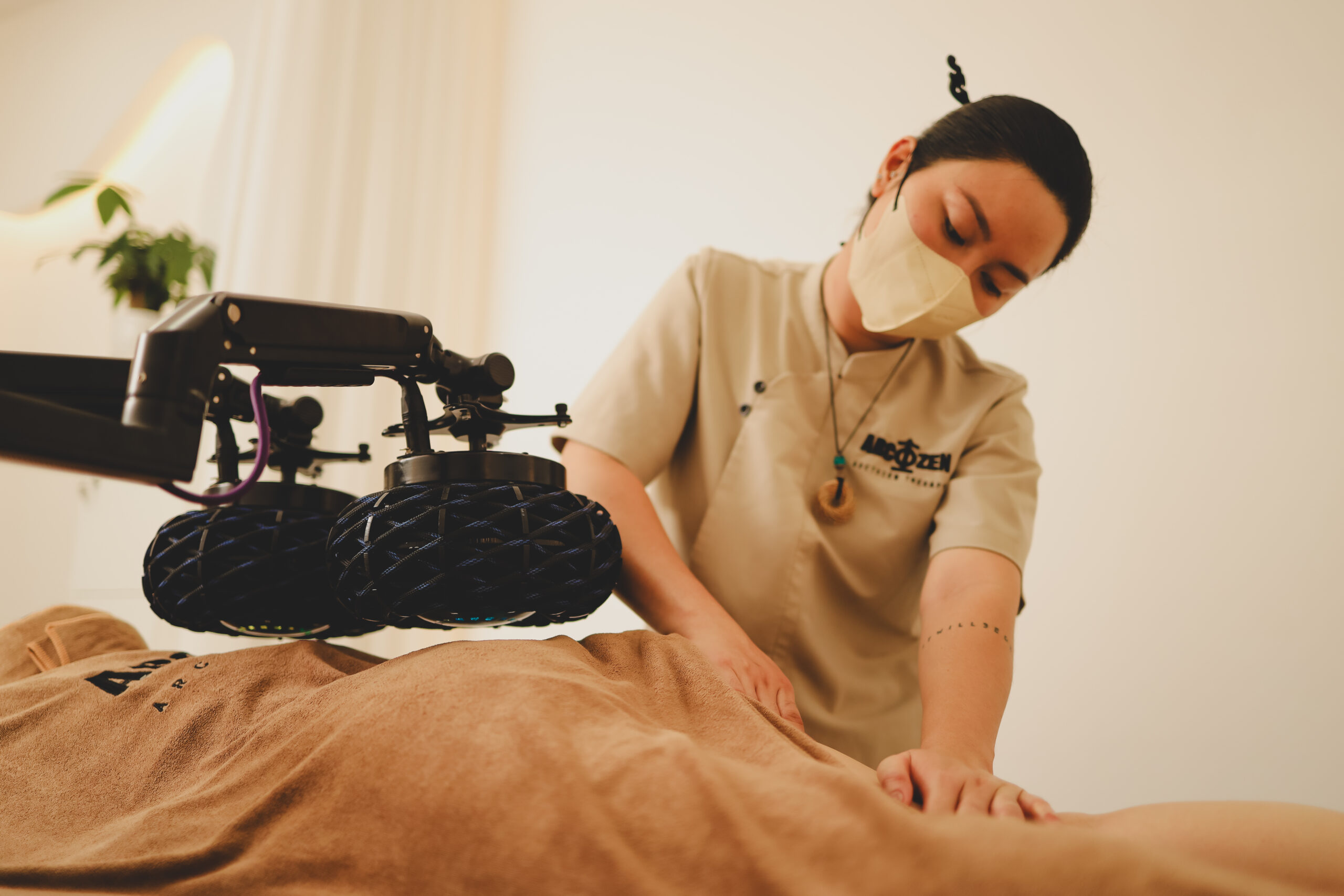
At Arctozen, Arctorus PEMF technology is applied as a supportive method in:
- Relieving chronic back pain
- Sciatic nerve pain
- Post-surgical recovery
- Improving quality of life
The treatment regimen is personalized according to each client's condition and pain level.
CONCLUSION
PROLONGED PAIN AFTER SURGERY DOES NOT NECESSARILY HAVE TO BE THE “END POINT” OF THE TREATMENT JOURNEY.
With promising initial data, PEMF therapy is opening up a new approach in managing chronic pain after lumbar spine surgery.
If you are looking for a solution to support pain relief that is safe, non-invasive and based on natural biological mechanisms, explore PEMF technology at Arctozen to begin your proactive recovery journey today.